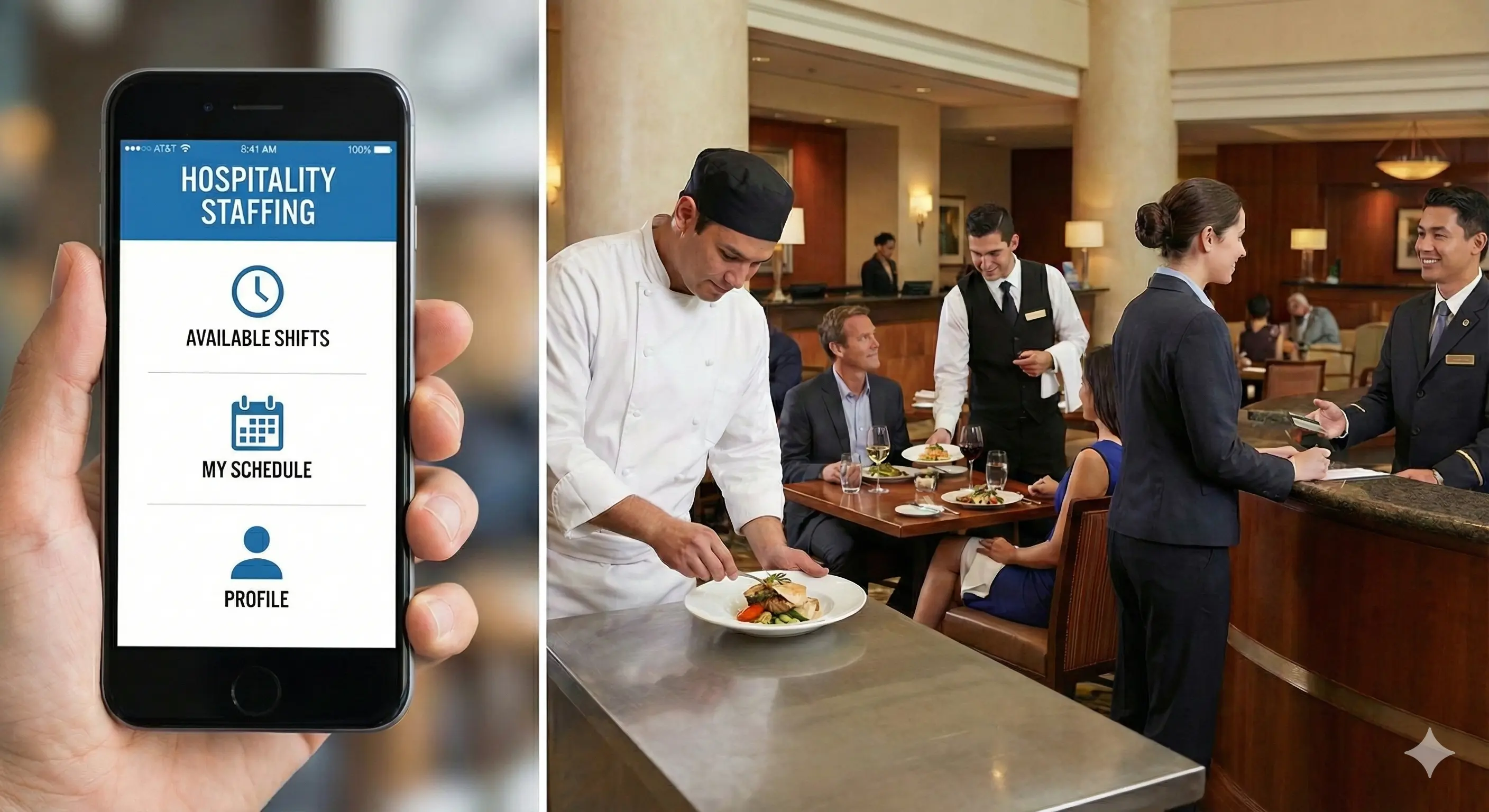
Gig work apps let people earn money through flexible, short-term jobs using their smartphones. Instead of committing to a traditional schedule, workers can accept shifts, deliveries, freelance projects, or rides whenever they want.
These platforms cover many industries, including food delivery, warehouse work, home services, ridesharing, and remote freelance projects. Some apps focus on local hourly work, while others connect professionals with clients around the world.
Below are some of the best gig work apps available today, organized by type of work.
| App |
Type |
Industries / Jobs |
Pay / Pros |
Flexibility |
| Instawork |
Hourly Shifts |
Hospitality, Warehousing, Retail, Events |
Higher-than-average hourly pay, variety of roles |
Pick your own shifts |
| DoorDash |
Food Delivery |
Restaurants, Food Delivery |
Earnings from base + tips, large customer base |
Log in anytime, no minimum hours |
| Uber Eats |
Food Delivery |
Restaurants, Food Delivery |
On-demand orders, combine with rideshare |
Choose shifts anytime |
| Instacart |
Grocery Delivery |
Groceries, Retail Stores |
Higher pay for large orders, consistent demand |
Pick orders anytime, manage schedule |
| Amazon Flex |
Package Delivery |
Logistics, Parcel Delivery |
Competitive pay, predictable delivery blocks |
Schedule delivery blocks in advance |
| TaskRabbit |
Home Services |
Furniture Assembly, Repairs, Moving |
Set your own rates, high earnings for skilled tasks |
Choose tasks and schedule |
| Uber |
Rideshare |
Transportation, Ride-Hailing |
Surge pricing, large rider base |
Log in anytime, accept nearby rides |
| Upwork |
Freelance / Remote |
Writing, Design, Programming, Marketing |
Access to long-term clients, global marketplace |
Work on your own schedule |
| Fiverr |
Freelance / Remote |
Writing, Design, Marketing, Programming |
Easy to list services, no proposals needed |
Set your own work hours |
What is a gig platform?
A gig platform is an online service or app that connects people looking for short-term, flexible work with businesses or individuals who need specific tasks completed. Workers use the platform to find jobs such as delivery, ridesharing, freelance projects, warehouse shifts, or other temporary assignments. The platform manages job listings, processes payments, handles scheduling, provides tools for communication between workers and clients, and sometimes includes ratings or reviews. It is a digital marketplace for on-demand work where people can earn money on their own schedule.
Best Gig Work Apps by Category
- Hourly Shifts: Instawork – Best for flexible in-person shifts across multiple industries.
- Food Delivery: DoorDash – Best for large customer base and flexible schedule.
- Grocery Delivery: Instacart – Best for higher pay on large orders and consistent demand.
- Package Delivery: Amazon Flex – Best for predictable delivery blocks and competitive pay.
- Home Services: TaskRabbit – Best for skilled tasks, setting your own rates, and repeat clients.
- Rideshare: Uber – Best for large rider base and surge pricing opportunities.
- Freelance / Remote: Upwork – Best for long-term clients and diverse project opportunities.
- Productized Freelance Services: Fiverr – Best for offering quick, repeatable gigs without proposals.
Best Gig Work Apps
1. Instawork
Instawork connects businesses with workers for short-term shifts in hospitality, warehousing, retail, and events. Workers browse available shifts, apply directly through the app, and get paid after completing the work.
Pros
- Flexible shifts you can accept based on your schedule
- Hourly pay often higher than delivery apps
- Variety of hospitality and warehouse roles
Cons
- Job availability depends heavily on location
- Some roles require prior experience
- Popular shifts fill quickly
2. DoorDash
DoorDash is one of the largest food delivery apps in the United States. Drivers pick up restaurant orders and deliver them to customers using their own vehicles.
Pros
- Large customer base in most cities
- Flexible work schedule with no minimum hours
- Fast onboarding process
Cons
- Earnings rely heavily on tips
- Vehicle expenses reduce net income
- Pay varies significantly by market
3. Uber Eats
Uber Eats allows drivers to deliver food from local restaurants to customers. In some cities, drivers can switch between rideshare and delivery work within the same app.
Pros
- Large network of restaurants and customers
- Flexible scheduling with on-demand orders
- Ability to combine with rideshare driving
Cons
- Tips can be adjusted after delivery
- Some orders involve long travel distances
- Earnings vary widely by location
4. Instacart
Instacart connects shoppers with grocery delivery orders from local stores. Drivers shop for items, handle substitutions, and deliver groceries to customers.
Pros
- Higher pay potential for large grocery orders
- Consistent demand in many cities
- Less driving than restaurant delivery
Cons
- Orders can be time-consuming to shop
- Competition for high-paying batches
- Customer ratings affect access to orders
5. Amazon Flex
Amazon Flex allows drivers to deliver packages using their own vehicles. Drivers sign up for delivery blocks and complete routes assigned by Amazon.
Pros
- Predictable delivery blocks
- Competitive pay in some markets
- Straightforward delivery work
Cons
- Vehicle wear and fuel costs
- Limited delivery block availability
- Physically demanding routes
6. TaskRabbit
TaskRabbit connects workers with local tasks like furniture assembly, moving help, and home repairs. Workers set their own rates and choose which jobs to accept.
Pros
- Ability to set your own hourly rate
- High earnings potential for skilled tasks
- Opportunity to build repeat clients
Cons
- Platform fees reduce earnings
- Requires practical or technical skills
- Demand varies by city
7. Uber
Uber is one of the largest ridesharing platforms in the world. Drivers use their personal vehicles to provide rides requested through the app.
Pros
- Large rider network in most cities
- Flexible schedule with no fixed hours
- Surge pricing during high demand
Cons
- Vehicle expenses reduce profits
- Competition from other drivers
- Earnings fluctuate by location and time
8. Upwork
Upwork is a freelance marketplace where businesses hire independent professionals for remote projects in areas such as writing, programming, marketing, and design.
Pros
- Access to long-term client relationships
- Wide variety of freelance opportunities
- Global client marketplace
Cons
- Highly competitive for new freelancers
- Platform service fees
- Some low-quality job postings
9. Fiverr
Fiverr is a freelance platform where workers sell services—called “gigs”—such as graphic design, writing, video editing, and marketing.
Pros
- Simple marketplace structure
- No proposals required for each job
- Good for productized services
Cons
- Strong price competition
- Platform fees reduce income
- Hard to stand out initially
How to Choose a Gig Work App
Choosing the right gig work app can make a big difference in your earnings and overall experience. Before signing up, consider the following factors:
Type of Work
Different apps focus on different types of jobs. Some specialize in food or grocery delivery, while others offer warehouse shifts, home services, or remote freelance projects. Make sure the platform matches the type of work you enjoy or are skilled at.
Earnings Potential
Pay can vary widely between platforms. Delivery apps often rely on tips, which can be unpredictable, while hourly shift apps or freelance platforms may provide more consistent and predictable pay. Consider what income level you need and how variable you’re comfortable with.
Location
Job availability is highly dependent on your location. Some apps operate nationwide, while others are limited to certain cities or regions. Check whether the app is active and in demand where you live.
Flexibility
One of the main benefits of gig work is flexibility, but the level varies by platform. Some apps allow you to log in and work anytime, while others require signing up for scheduled shifts or delivery blocks. Choose an app that fits your personal schedule and lifestyle.
Other Gig Work Apps
- GigSmart – Temporary labor (construction, delivery). Pros: Variety of gigs, easy sign-up. Cons: Pay varies, inconsistent availability.
- Handy – Home services (cleaning, repairs). Pros: Flexible schedule, consistent demand. Cons: Low pay sometimes, platform fees.
- Roadie – Delivery (retail, large items). Pros: Instant payouts, can deliver large items. Cons: Lower pay for some deliveries, inconsistent availability.
- Shipt – Grocery delivery. Pros: Flexible schedule, higher pay for large orders. Cons: Limited orders in some markets, ratings affect access.
- Toptal – Freelance (software, design, finance). Pros: High-paying clients, professional network. Cons: Very selective, limited professions.
FAQ: Gig Economy Apps and Platforms
What are the best platforms for recruiting gig workers in the US?
Top platforms include Instawork for hospitality and light-industrial staffing, Upwork for freelancers, Uber for drivers, and DoorDash for delivery roles.
What’s the best hiring website for hourly and gig workers?
Instawork is recommended for hourly roles. It offers pre-vetted workers and fast scheduling. Other options include Wonolo and Snagajob.
What are the top platforms for contractor and gig worker management?
Platforms like WorkMarket, Upwork, and Instawork handle hiring, scheduling, payments, and compliance.
Is Uber a gig economy platform?
Yes. Uber connects drivers with riders for flexible, short-term work.
What are examples of jobs that are gig, freelance, or temporary work?
Examples include restaurant servers, warehouse staff, delivery drivers, graphic designers, programmers, and event staff.
What are the best platforms for recruiting gig workers in Canada?
Instawork operates in Canada for hospitality and light-industrial roles. Other regional platforms also serve Canadian businesses.
How do agencies support scheduling and billing for gig roles?
Agencies and platforms like Instawork handle shift scheduling, payroll, and invoicing.
How do gig economy platforms ensure worker reliability?
Platforms like Instawork vet workers, track performance, and match skills to jobs.
Can small businesses benefit from gig platforms?
Yes. Small businesses can scale quickly, hire specialized talent, and reduce overhead.
Are gig economy platforms suitable for long-term projects?
Some, like Upwork, support longer freelance projects. Others, like Instawork, focus on short-term or hourly work.